




















The Delta State Government has reaffirmed its commitment to a systematic and well-coordinated approach to sustainable food production, anchored on the principles of ethical and responsible agriculture.
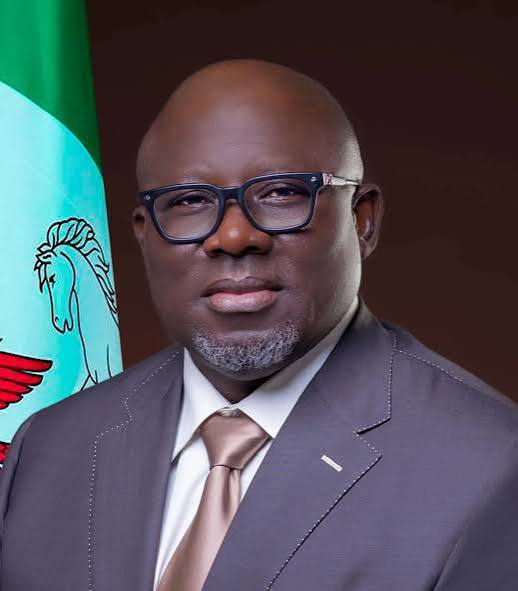
The Commissioner for Economic Planning and Chairman of the Delta State Steering Committee on Food System Transformation Pathways, Mr. Sonny Ekedayen, stated this at the inaugural meeting of the Committee.
He explained that successful food production depends on critical factors such as soil quality, appropriate machinery, favourable climate conditions, and the responsible use of agro-chemicals.
Mr. Ekedayen stressed the need for deliberate and well-planned strategies in food production and propagation, warning that neglecting such an approach could have grave consequences.
According to him, “Our lands have been affected by urbanization and flooding, but we must be intentional in managing our resources to guarantee food security.”
He noted that developing food system transformation pathways is essential to the state’s growth, as it would boost the incomes of farmers, processors, traders and other food system workers, while ensuring that all citizens have access to safe and nutritious food.
He added that the initiative would also translate national priorities into practical actions tailored to Delta State’s peculiar needs, leading to improved food availability, affordability, safety and nutritional value, job creation, higher incomes and poverty reduction.
The Chairman further emphasized the importance of collaboration and the exchange of ideas among committee members drawn from ministries, departments, agencies, parastatals and development partners to achieve the set objectives.
The Commissioner for Environment, Mr. Jamani Ejiro, who is also a member of the Committee, highlighted the central role of farming in attaining food security. He underscored the need for a clean and healthy environment, particularly for poultry and pig farming, stressing that proper waste disposal must be prioritized.
He also disclosed that the Ministries of Environment and Agriculture are working together to facilitate land allocation for agricultural purposes.
Similarly, the Commissioner for Works (Rural Roads) and Public Information, Mr. Charles Aniagwu, represented by the Functioning Permanent Secretary, Mrs. Stella Macaulay, emphasized the strategic role of the Ministry of Information in disseminating information and gathering public feedback.
He advocated the promotion of homestead farming and assured that awareness would be created through advert jingles, publications and interpersonal communication.
In his remarks, the Commissioner for Agriculture and Natural Resources, Barr. Val Areyinka, represented by the Functioning Permanent Secretary, Dr. Edmund Orioko, said food production covers both crop and animal husbandry. He disclosed that the 2026 focus is on crop production, particularly cassava, with about 650 hectares already under cultivation in the state.
He added that programmes are also in place to support small-scale livestock farmers to boost protein supply.
Dr. Orioko noted that the Steering Committee would play a pivotal role in driving the implementation of the food system transformation agenda across sectors.
Other members of the Committee also introduced themselves, outlined their responsibilities and expressed optimism about the successful attainment of the Committee’s mandate.
The highlight of the meeting was the administration of the Oath of Allegiance on members of the Delta State Steering committee on Food System Transformation Pathways.