

















Nigeria today feels like a nation trapped in a hospital ward with a patient who will not take prescribed drugs. The symptoms are obvious. The pain is visible. The diagnosis has been repeatedly confirmed by experts, institutions, and the lived experiences of ordinary citizens. Yet, the government under President Bola Ahmed Tinubu behaves like a patient in denial—insisting it is healthy while the body politic weakens by the day.
According to the World Bank, tens of millions of Nigerians have been pushed into poverty in less than two years of this administration. That is not opposition rhetoric; it is a cold, empirical assessment of a country where hunger has become normal, survival has become a daily struggle, and hope is evaporating faster than household income. If current policies persist, even more Nigerians are projected to sink below the poverty line by 2027. A government confronted with such grim statistics should pause, reflect, and urgently change course. Instead, this one has chosen stubbornness and obstinacy.
The Tinubu administration’s defining feature is not reform, but rigidity. Not empathy, but indifference. Nigerians cried when fuel subsidy removal was announced without a safety net. They cried as food prices tripled, transportation costs exploded, and small businesses collapsed. They cried when wages remained stagnant while inflation ran wild. They cried as taxes multiplied and basic public services shrank. Yet the government responded not with listening ears, but with rehearsed excuses and technocratic arrogance.
A sick government can be forgiven. A government that refuses treatment cannot.
Every serious society knows that economic reforms, no matter how well-intentioned, must be humane. Shock therapy without cushioning is cruelty. Austerity without compassion is punishment. What Nigerians are experiencing today is not reform with a human face; it is policy with a clenched fist. The poor are asked to endure endlessly, while those in power continue to live comfortably, insulated from the consequences of their own decisions.
Worse still is the communication deficit. Nigerians are spoken to, not spoken with. They are lectured, not engaged. When citizens complain of hunger, they are told to be patient. When they protest hardship, they are branded ungrateful or misled. This obstinate deafness is dangerous in a democracy. Governments that stop listening eventually stop understanding, and governments that stop understanding inevitably lose legitimacy.
The tragedy is that the medicine exists. Practical alternatives exist: targeted social protection, genuine wage reviews, phased reforms, reduced cost of governance, investment in local production, and policies that put food security above fiscal dogma. Many nations facing similar challenges have adjusted when the pain became unbearable. But adjustment requires humility—and humility is precisely what this administration lacks, having gathered the worst Nigeria has to serve inthis God-forsaken government.
Nigeria is not asking for miracles. Nigerians are asking for relief, empathy, and a sense that their leaders feel their pain. They are asking for a government that governs with conscience, not contempt. They are asking for leadership that treats poverty figures not as abstract numbers, but as human lives—mothers skipping meals, children dropping out of school and searching for owambe venues to scavenge, and youths losing faith in the future.
History is unforgiving to governments that ignore mass suffering. No amount of propaganda can drown out empty stomachs. No amount of blame-shifting can erase the daily reality of hardship. No amount of forcing opposition Governors into a party they detest would heal our wounded nation. A nation cannot be gaslit out of hunger.
Tinubu’s administration stands at a crossroads. It can continue on this path of denial, insisting the patient is fine while the illness worsens. Or it can finally accept the diagnosis, take the medicine of people-centered governance, and begin genuine healing.
Nigeria is sick—but it is the government’s refusal to take medicine that is making the illness fatal.
Nigeria today feels like a nation trapped in a hospital ward with a patient who will not take prescribed drugs. The symptoms are obvious. The pain is visible. The diagnosis has been repeatedly confirmed by experts, institutions, and the lived experiences of ordinary citizens. Yet, the government under President Bola Ahmed Tinubu behaves like a patient in denial—insisting it is healthy while the body politic weakens by the day.
According to the World Bank, tens of millions of Nigerians have been pushed into poverty in less than two years of this administration. That is not opposition rhetoric; it is a cold, empirical assessment of a country where hunger has become normal, survival has become a daily struggle, and hope is evaporating faster than household income. If current policies persist, even more Nigerians are projected to sink below the poverty line by 2027. A government confronted with such grim statistics should pause, reflect, and urgently change course. Instead, this one has chosen stubbornness and obstinacy.
The Tinubu administration’s defining feature is not reform, but rigidity. Not empathy, but indifference. Nigerians cried when fuel subsidy removal was announced without a safety net. They cried as food prices tripled, transportation costs exploded, and small businesses collapsed. They cried when wages remained stagnant while inflation ran wild. They cried as taxes multiplied and basic public services shrank. Yet the government responded not with listening ears, but with rehearsed excuses and technocratic arrogance.
A sick government can be forgiven. A government that refuses treatment cannot.
Every serious society knows that economic reforms, no matter how well-intentioned, must be humane. Shock therapy without cushioning is cruelty. Austerity without compassion is punishment. What Nigerians are experiencing today is not reform with a human face; it is policy with a clenched fist. The poor are asked to endure endlessly, while those in power continue to live comfortably, insulated from the consequences of their own decisions.
Worse still is the communication deficit. Nigerians are spoken to, not spoken with. They are lectured, not engaged. When citizens complain of hunger, they are told to be patient. When they protest hardship, they are branded ungrateful or misled. This obstinate deafness is dangerous in a democracy. Governments that stop listening eventually stop understanding, and governments that stop understanding inevitably lose legitimacy.
The tragedy is that the medicine exists. Practical alternatives exist: targeted social protection, genuine wage reviews, phased reforms, reduced cost of governance, investment in local production, and policies that put food security above fiscal dogma. Many nations facing similar challenges have adjusted when the pain became unbearable. But adjustment requires humility—and humility is precisely what this administration lacks, having gathered the worst Nigeria has to serve inthis God-forsaken government.
Nigeria is not asking for miracles. Nigerians are asking for relief, empathy, and a sense that their leaders feel their pain. They are asking for a government that governs with conscience, not contempt. They are asking for leadership that treats poverty figures not as abstract numbers, but as human lives—mothers skipping meals, children dropping out of school and searching for owambe venues to scavenge, and youths losing faith in the future.
History is unforgiving to governments that ignore mass suffering. No amount of propaganda can drown out empty stomachs. No amount of blame-shifting can erase the daily reality of hardship. No amount of forcing opposition Governors into a party they detest would heal our wounded nation. A nation cannot be gaslit out of hunger.
Tinubu’s administration stands at a crossroads. It can continue on this path of denial, insisting the patient is fine while the illness worsens. Or it can finally accept the diagnosis, take the medicine of people-centered governance, and begin genuine healing.
Nigeria is sick—but it is the government’s refusal to take medicine that is making the illness fatal.
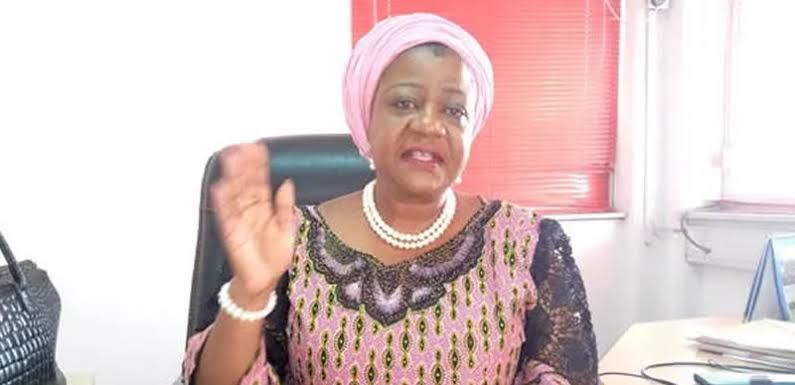
*****Lauretta Onochie is a public Affairs analyst.