




















By Endurance Ikanone

The global football governing body, FIFA, has dismissed suggestions that the 2026 FIFA World Cup could be postponed due to the ongoing tensions linked to the conflict involving the United States and Iran.
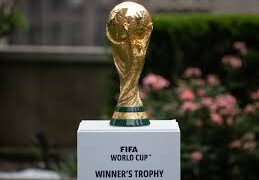
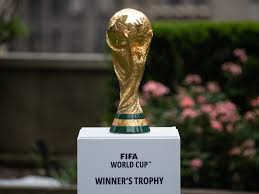
In an official clarification, FIFA stated that preparations for the tournament are continuing as scheduled and there is currently no reason to delay or relocate the competition. The next World Cup, which will be jointly hosted by the United States, Canada and Mexico, is expected to kick off on June 11, 2026.
Speculation about a possible postponement began circulating following the recent escalation of tensions in parts of the Middle East, which has raised concerns about global travel, security arrangements, and the participation of some national teams. However, FIFA officials have played down the speculation, insisting that the tournament remains on track.
Speaking on the issue, FIFA’s Chief Operating Officer, Heimo Schirgi, stressed that the scale and planning involved in organizing the World Cup makes postponement highly unlikely. According to him, the competition is simply too large and complex to delay at this stage.
Schirgi explained that preparations across the three host nations are progressing normally, with infrastructure, logistics, and tournament planning continuing according to schedule. He also noted that FIFA remains in constant communication with national football associations and relevant authorities as part of its routine preparations for the global event.
The conversation around a possible delay gained attention after the conflict in the Middle East began affecting travel and security conditions in some parts of the region.
These challenges have particularly impacted teams involved in international competitions and qualification matches.
One of the concerns came from Graham Arnold, the head coach of the Iraq national football team, who recently called on FIFA to postpone his team’s World Cup qualifying playoff match. Arnold explained that the security situation and travel complications in the region were making it difficult for players and officials to move freely.
His request sparked wider discussions in the football community about whether the global governing body might consider adjusting the World Cup timetable if the geopolitical situation continues to deteriorate.
Despite these concerns, FIFA has reiterated that the World Cup itself is not under threat. The organization maintains that while it continues to monitor international developments closely, there is no indication at this stage that the conflict will disrupt the tournament.
FIFA also emphasized that it routinely evaluates global conditions, including security and travel issues, to ensure the safety of players, officials, and fans during its competitions.
The body said it remains in close contact with football federations around the world, including the Football Federation Islamic Republic of Iran, as part of its ongoing coordination ahead of the tournament.
With the 2026 World Cup set to be the largest in the competition’s history, featuring an expanded format and matches spread across three countries, FIFA officials say their focus remains firmly on delivering a successful tournament rather than considering postponement.
For now, the organization insists that preparations are moving forward as planned, and football fans around the world can still look forward to the global showpiece kicking off in June 2026.