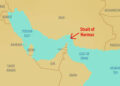
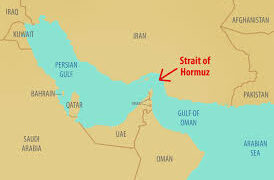
















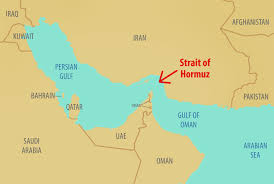


The potential closure of the Strait of Hormuz by Iran has once again exposed how fragile the architecture of the global energy system truly is. This narrow maritime passage between Iran and Oman is not merely another shipping lane; it is the single most critical energy chokepoint on earth. Nearly one-fifth of the world’s oil supply and a significant portion of global liquefied natural gas flows through this corridor every day, making it central to the functioning of the global economy.
Whenever tension erupts in the Gulf and ships cannot safely pass through the strait, the consequences ripple instantly across continents. Oil prices surge, energy markets panic, global supply chains falter, and governments scramble to secure alternative sources of energy. Analysts warn that disruptions in the strait have already removed millions of barrels of oil from global markets and triggered one of the largest supply shocks in history.
Nevertheless, amid this global anxiety lies a strategic opportunity that Africa must not ignore. For decades, Africa has remained a largely untapped pillar of the global energy system. Countries such as Nigeria, Angola, Algeria, Libya, and emerging producers in Senegal and Namibia collectively hold enormous hydrocarbon reserves. However, Africa’s energy potential has historically been underdeveloped due to infrastructure limitations, weak refining capacity, and limited strategic coordination among producing states.
The instability around the Strait of Hormuz changes the strategic equation.
When Middle Eastern supply routes become uncertain, global energy markets instinctively search for alternative suppliers. Europe, Asia, and North America begin to diversify away from heavily concentrated energy corridors. In such moments, the spotlight turns toward Africa, not merely as a resource provider, but as a strategic stabilizer of global energy security.
Ultimately, from the perspective of the African Institute for Statecraft Int’l, this geopolitical disruption should be viewed not only as a crisis but as a strategic window for continental repositioning.
Nigeria in particular stands at the center of this opportunity. As Africa’s largest oil producer and one of the world’s major exporters of crude oil, Nigeria could benefit significantly from rising global energy prices. When oil prices climb due to disruptions in the Gulf, Nigeria’s export revenues and foreign exchange earnings increase, potentially strengthening government finances and economic stability.
But the opportunity goes far beyond short-term oil windfalls.
First, the crisis highlights the need for Africa to accelerate the development of regional energy infrastructure. Pipelines, refineries, and export terminals across West Africa could transform the continent from a fragmented set of producers into a coordinated energy hub capable of supplying global markets during geopolitical disruptions.
Second, Africa must deepen its capacity in energy diplomacy. The shifting global energy map offers African nations leverage in negotiating strategic partnerships with Europe, Asia, and emerging economies seeking secure supply chains. Countries that position themselves effectively could attract massive investments in exploration, refining, petrochemicals, and clean energy technologies.
Third, the Hormuz crisis reinforces the urgency of economic diversification powered by energy wealth. For decades, many African states have exported crude oil while importing refined petroleum products. If rising energy prices simply increase export revenues without transforming domestic industrial capacity, the opportunity will once again be lost. The real prize lies in converting energy resources into engines of industrial growth.
Finally, Africa must recognize that global power in the 21st century is increasingly shaped by control of strategic supply chains. Energy routes, mineral resources, and technological infrastructure now define geopolitical influence as much as military strength.
The turbulence surrounding the Strait of Hormuz is therefore more than a Middle Eastern crisis, it is a reminder that the global economic system depends on a few vulnerable chokepoints. Nations and regions capable of providing stable alternatives will inevitably gain strategic importance.
This is a profound and unambiguous message for Africa: the continent must move from being a passive supplier of raw resources to becoming a central pillar of global energy security.
The moment demands vision, coordination, and bold policy leadership. When African states act decisively, the instability in distant waters could ultimately become the catalyst that repositions the continent within the architecture of the global economy.
“When the world’s most important oil corridor trembles, nations search for new pillars of stability. Africa must rise to become that pillar.”
Adai Edwin Adai
Policy Scientist, Political Economist, Pan-Africanist.
@topfans
#AfricanInstituteForStatecraft