




















In the face of the fallen standard of living and the jerk in the cost of living in the country, the National Public Service Negotiating Council, NPSNC, ha

s demanded a N154,000 minimum wage, a 120 per cent upward review, of salaries and allowances for public workers in Nigeria.
This is to mitigate what it described as the “life of servitude” currently being experienced in the country.
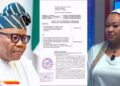
The demand was contained in a letter addressed to the Office of the Head of the Civil Service of the Federation, dated March 12, 2026, with reference number JNPSNC/Gen/Cor/Vol 1/163, titled “URGENT NEED FOR THE UPWARD REVIEW OF SALARIES AND ALLOWANCES OF WORKERS IN THE NIGERIAN PUBLIC SERVICE AND COMMENDATION FOR THE APPROVAL OF GRATUITY PAYMENT TO RETIRING WORKERS.”
The letter was jointly signed by the National Chairman JNPSNC, Benjamin Anthony, and the National Secretary, Olowoyo Gbenga.
The JNPSNC (Trade Union side) premised its demand on the outcome of an exhaustive meeting of the JNPSNC held on Monday, March 9, 2026, at the AUPCTRE National Secretariat, Wuse Zone 4, Abuja, Federal Capital Territory.
The letter stated inter alia that: “the National leadership of Joint National Public Service Negotiating Council (JNPSNC), writes to respectfully but firmly call the attention of your esteemed office to the urgent necessity for an upward review of salaries and allowances of all serving Public Servants in the Nigeria Public Service.
“Despite their immense contributions, Public Service workers continue to face severe economic hardship due to the rising cost of living and the declining purchasing power of their earnings.”
The council noted that over the years, Nigeria has experienced unprecedented economic pressures characterised by high inflation, increased fuel prices, rising transportation costs, and escalating prices of food items, housing, healthcare, and education.
“The above realities have significantly eroded the real value of workers’ salaries and have made it increasingly difficult for many public servants to maintain a decent standard of living.
“It is important to note that the last major adjustments in workers’ remuneration have not sufficiently kept pace with the current economic realities.
“Many workers are now struggling to meet basic financial obligations, which has inevitably affected the morale, motivation, and overall productivity within the Public Service.”
The council stated that the national leadership of the Joint National Public Service Negotiating Council therefore strongly advocates an immediate and comprehensive review of the existing salary structure and allowances to reflect current economic conditions and ensure fairness, equity, and sustainability in workers’ remuneration.
“An upward review of workers’ salaries and allowances is very desideratum,” it stated.
It noted that workers in the Nigerian Public Service had continued to demonstrate remarkable patience, professionalism, and commitment to their duties despite the prevailing economic difficulties.
However, it stressed that concrete steps must now be taken to safeguard their welfare and dignity.