














Benjamin Omale

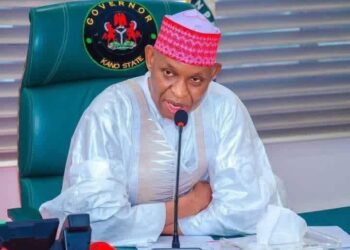
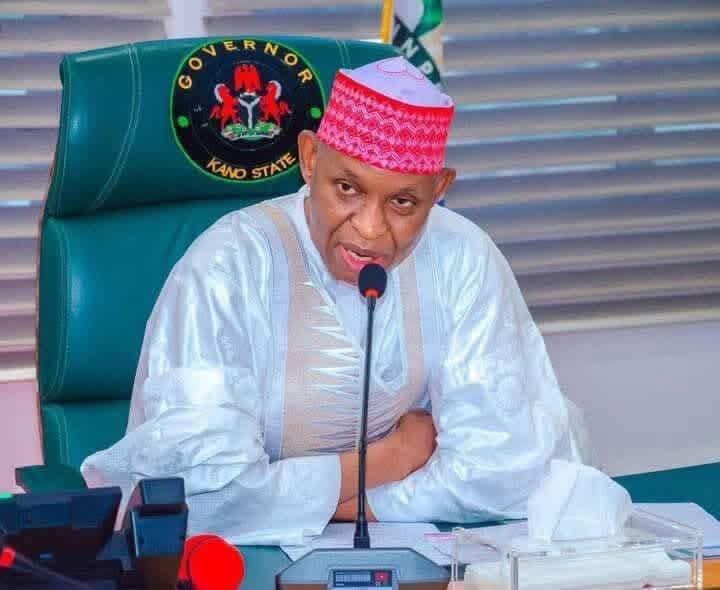
The recent defection of Kano State Governor, Engr. Abba Kabir Yusuf, from the New Nigeria People’s Party (NNPP) to the All Progressives Congress (APC) has sparked intense debate. While some are concerned about the implications for the relationship between Gov. Abba and NNPP’s National Leader, Sen. Rabiu Musa Kwankwaso, it’s essential to examine the underlying issues.
Before attributing Governor Abba’s defection to disloyalty, consider their long-standing association. Gov. Abba served Senator Kwankwaso meritoriously for over four decades without blemishes. The question is: why did the governor defect? Was it solely personal ambition, or were there deeper issues? Of course, yes!
Senator Kwankwaso’s leadership style and relationships with former colleagues governors, parliamentarians and senators raise questions.
Sen. Kwankwaso’s presidential bids lacked support from the former. One could not conveniently point to one of them that supported him. It’s clear that political disagreement didn’t start from Governor Abba, Ganduje, or Shekarau. This pattern suggests deeper issues with how Senator Kwankwaso relates to others in politics. His inability to secure backing from peers might stem from his leadership style or relationships. Time for some introspection, maybe?
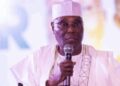
Unlike other prominent politicians, such as Atiku Abubakar and President Bola Tinubu, who maintain strong ties with their peers, Senator Kwankwaso seems to lack enduring connections.
Given this context, Governor Abba’s decision to leave NNPP is understandable, therefore, one can assume that even If Senator Kwankwaso supported his own son to become Governor, it would likely have led to another split. Senator Kwankwaso’s history suggests he struggles to maintain relationships with those he works with.
It’s time for Senator Kwankwaso to introspect rather than blame others for his challenges. His leadership and relationships may be contributing factors to the current situation. Governor Abba’s defection highlights the need for Senator Kwankwaso to reflect on his approach and consider how he can better build and maintain alliances.
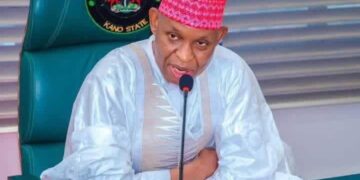
On the other hand, Governor Abba Kabir Yusuf’s leadership style and personality have earned him widespread respect. He’s a likeable figure, determined to deliver results rather than pursue self-serving interests. Despite facing numerous challenges since taking office, he navigated them with ease, avoiding unnecessary conflicts.
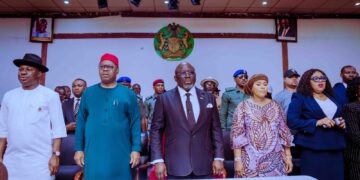
Governor Abba’s ability to work with diverse individuals, regardless of background, is a significant strength. He brought together former adversaries, including ex-Governor Ganduje and Deputy Senate President Jibrin Barau etc, united in their pursuit of Kano’s progress. This demonstrates his commitment to collaboration and state development. His inclusive approach has fostered a sense of unity, crucial for Kano’s growth. By putting the state’s interests above personal or partisan considerations, Governor Abba has created a conducive environment for progress. His leadership is a testament to the power of unity and collective effort.
Gov. Abba’s four decades of loyalty to Senator Kwankwaso raise questions about the timing of his defection. Was it a sudden change of heart, or were there underlying factors? His decision might be driven by a desire for stability and progress in Kano State, rather than personal ambition. This shift could be a testament to his dedication to Kano’s development, showcasing his ability to prioritize the state’s interests.
*Benjamin Omale* wrote this piece from
Oturkpo, Benue state.