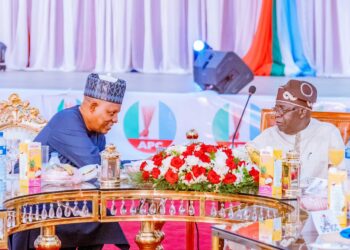
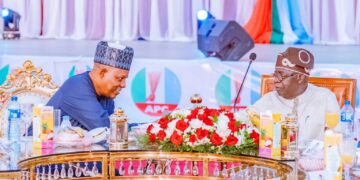





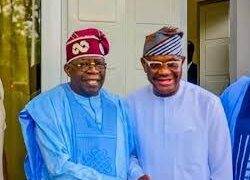


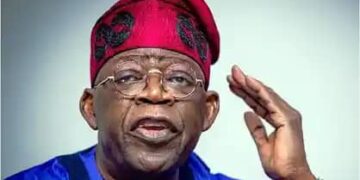


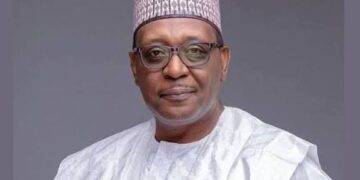

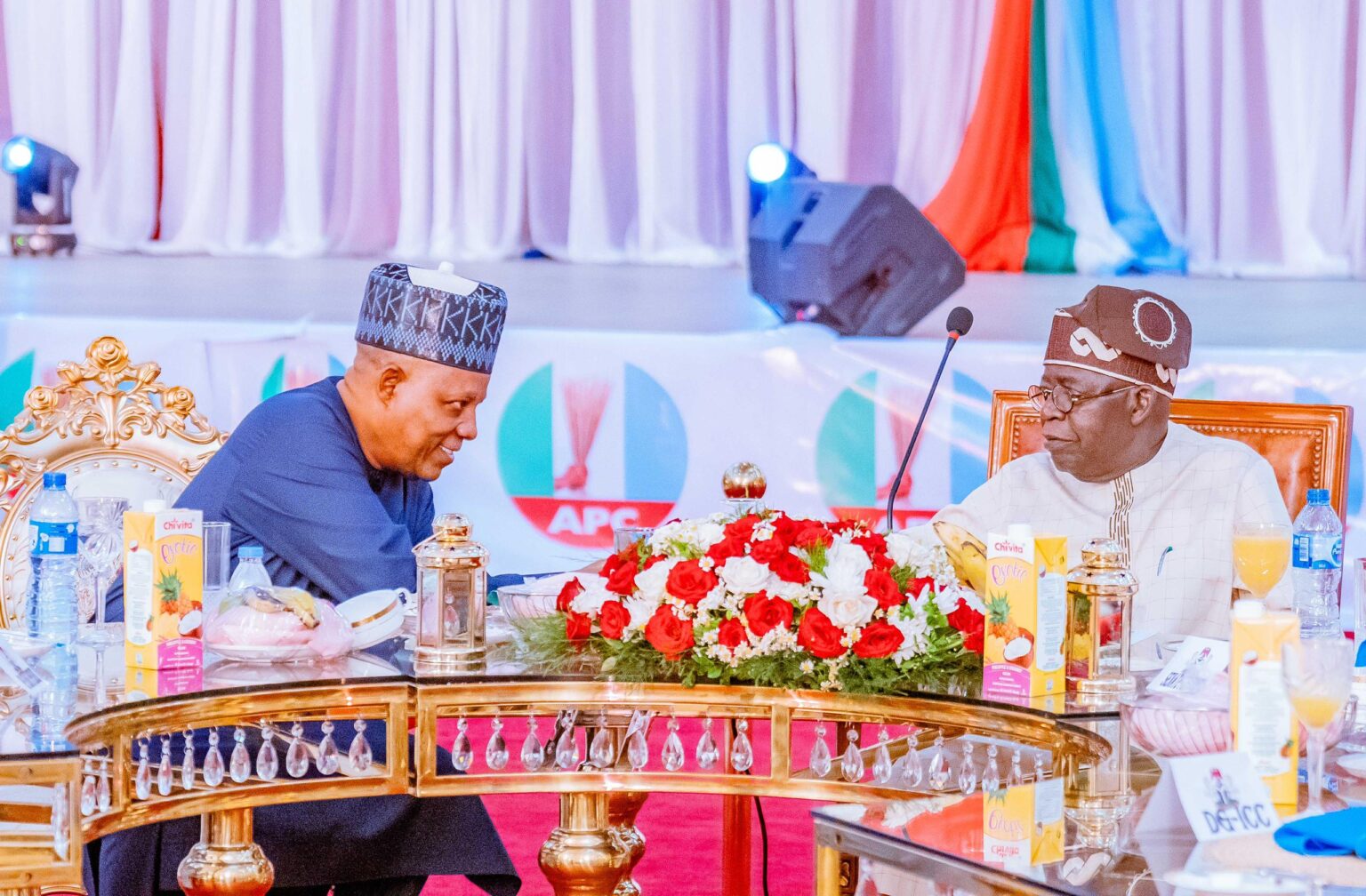


Hannatu Musawa, minister of art, culture and creative economy, says any move to drop Vice-President Kashim Shettima ahead of the presidential election could negatively affect the All Progressives Congress (APC).
In an interview on MIC ON, a podcast hosted by Seun Okinbaloye, Musawa reacted to speculations that the ruling party was considering replacing Shettima with a Christian running mate for President Bola Tinubu in 2027.
She warned that altering the religious and regional balance of the current ticket could pose electoral risks for the APC.
She said the absence of a northern Muslim on the ticket could create significant resistance among voters in the region.
“If we toy with changing the construct of what we have now, it is a problem,” the minister warned.
“If there is no Hausa, Fulani, Kanuri Muslim on that ticket, it creates a hurdle. That’s the reality of the way the people think.”
She said such discussions reflect a poor understanding of northern political dynamics, describing politics in the region as deeply rooted in identity and civic participation.
Musawa said the north plays a decisive role in Nigeria’s political calculations, particularly due to what she described as its long-standing political awareness and engagement.
“I come from a very rural area in Katsina state. All my family and all the people that I know that have never been to school have a radio. They will tell you about the Russian Revolution. BBC Hausa did what it was supposed to do,” she said.
“When it comes to politics, the northern area really thrives on politics. That is the one thing that they feel they really have a lot of control over and power. So when you don’t understand politics in the way that they do, you come at your own peril.”
She added that politics is viewed in many northern communities as a critical means of influencing national outcomes.
“They wait every four years to be able to line up. A man with his four wives and 30 children, everybody is going to line up, because that’s where they know that they can have an impact in positioning Nigeria. For them, it is almost like an identity,” she said.