



















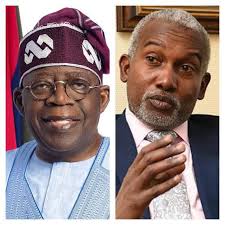
President Bola Ahmed Tinubu on Thursday emphasized the need for Nigeria and the United Kingdom to strengthen trade relations and expand mutually beneficial economic cooperation.
During a meeting with UK Prime Minister Keir Starmer at 10 Downing Street, both countries agreed on a £746 million deal to refurbish two major ports in Lagos—Apapa and Tin Can Island.
President Tinubu described the visit—his first official trip to the UK—as “very thrilling and significant,” noting that it marks a major step in deepening longstanding bilateral relations.
“We cannot forget the institutional development we have enjoyed over the years,” Tinubu said ahead of bilateral talks, adding that discussions would focus on trade, economic reforms, climate change, terrorism, and global challenges.
Highlighting Nigeria’s ongoing economic reforms, the President stressed the importance of international collaboration to improve citizens’ welfare.
“The entire world is facing challenges, and Nigeria is not immune. Our focus remains on the economy and improving the livelihood of our people through strategic partnerships,” he said.
Prime Minister Starmer described the visit as historic, underscoring the importance of the State Banquet hosted by King Charles III in honour of the Nigerian delegation. He reaffirmed the UK’s commitment to its enduring relationship with Nigeria, particularly strong people-to-people ties.
He noted that both nations already collaborate in key areas such as economy, defence, and security, adding that the new agreements reflect a shared determination to deepen cooperation and address global challenges.
At Lancaster House, President Tinubu and First Lady Oluremi Tinubu witnessed the signing of the £746 million agreement for the modernization of infrastructure at the Apapa and Tin Can Island ports.
Nigeria’s Minister of Finance, Wale Edun, signed on behalf of Nigeria, while UK Minister for Small Business and Economic Transformation, Blair McDougall, signed for the British government.
Edun stated that the agreement aligns with Nigeria’s priorities in infrastructure, energy, and industrial development, adding that strengthened bilateral partnerships will attract critical investments, boost economic activity, create jobs, and reduce poverty.
He noted that the deal reflects growing confidence and mutual trust between both countries, as well as a shared commitment to delivering tangible economic outcomes.