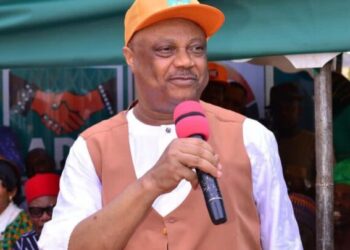
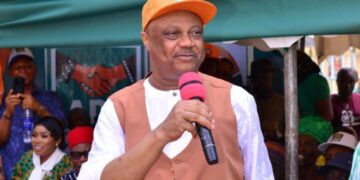












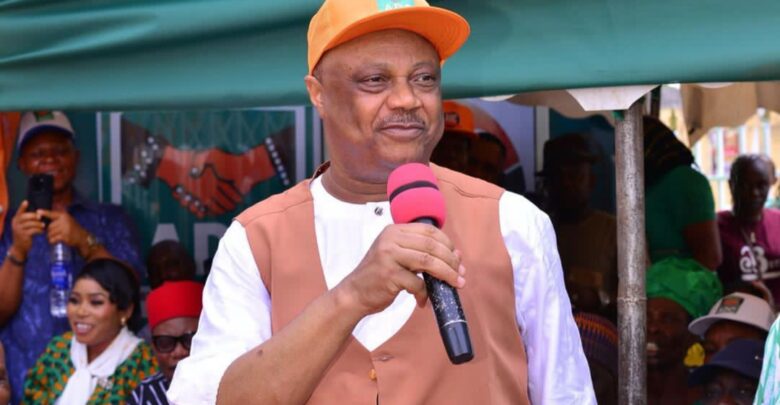


In the political history of Delta State, few figures have shown the level of persistence and consistency that Chief Great Ogboru has shown over the years. His name has become a familiar presence in the state’s electoral process, reflecting not just ambition, but a long-standing commitment to leadership and service.
Since Nigeria’s return to democratic governance in 1999, Ogboru has remained a recurring figure in the gubernatorial race. While some may view his repeated bids as mere political resilience, others see it as a testament to an unwavering belief in his vision for Delta State.
At the core of Ogboru’s political journey is a deep-rooted passion for development. His desire to govern is widely seen by supporters as being driven by a genuine concern for the growth and progress of the state, rather than fleeting political opportunism.
This passion has kept him in the race across different political seasons, even in the face of setbacks. For Ogboru, each contest has not been an end in itself, but part of a broader mission to reposition Delta State for sustainable development.
Beyond politics, Ogboru brings decades of business experience to the table. As an accomplished entrepreneur, he understands the principles of investment, management, and productivity—skills that are critical in modern governance.
In a state blessed with abundant natural resources, effective management remains key to unlocking its full potential. Proponents argue that Ogboru’s private sector background equips him with the discipline and strategic mindset required to drive economic growth.
His success in business is often cited as evidence of his ability to create value and manage complex systems. These are qualities many believe can be translated into public administration for the benefit of the people.
Another defining aspect of Ogboru’s political journey is his financial independence. Over the years, he has largely funded his campaigns, a move that underscores his personal commitment and reduces reliance on external political interests.
This independence is seen by supporters as a strong indicator that he is less likely to be influenced by financial pressures or vested interests if elected into office.
In addition to his professional credentials, Ogboru is widely regarded as a humble and approachable leader. His ability to connect with ordinary citizens has endeared him to many across the state.
Leadership, after all, is not only about policies and programmes, but also about empathy and understanding. Ogboru’s interpersonal qualities are often highlighted as one of his key strengths.
Delta State continues to face significant challenges, including infrastructure deficits, unemployment, and the need for economic diversification. Addressing these issues requires a leader with both vision and practical experience.
Supporters believe that Ogboru possesses the right mix of experience, determination, and insight to tackle these challenges head-on and deliver meaningful progress.
As the state looks toward the future, the question of leadership becomes increasingly critical. The choice of who governs will shape the trajectory of development for years to come.
History provides a poignant reminder in the story of Obafemi Awolowo, often regarded as one of Nigeria’s greatest leaders who never attained the presidency.
For many in Delta State, there is a growing sentiment that Chief Great Ogboru should not be consigned to a similar fate. He should not become the best governor the state never had, but rather be given the opportunity to translate his vision into reality.