
























The Delta State Government has offered succour to motorists with the commissioning of Compressed Natural Gas (CNG) stations in the state capital, Asaba, on Wednesday.

The coming on stream of the stations, established in partnership with NIPCO Gas Ltd, marked a significant step towards providing a cheaper and more sustainable alternative to petrol for transportation.
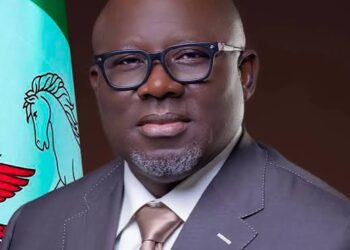
Commissioning the station, Governor Sheriff Oborevwori described it as a critical foundation for the state’s transition to CNG-powered transportation.
The Governor, who was represented by the Secretary to the State Government, Dr Kingsley Emu, explained that the initiative was conceived over a year ago, with a clear understanding that infrastructure must first be put in place before the adoption of CNG vehicles could be successful.
“Today, I want to announce that what we are commissioning is a building block and very fundamental to getting the CNG initiative started in Delta State,” he said.
“Without this infrastructure, we cannot achieve the level of transformation we desire in the transport sector,” he added.
The governor noted that the state currently had multiple CNG facilities, including stations in Asaba and Warri, as well as additional support infrastructure, all designed to ensure the smooth rollout of the initiative.
According to him, the stations can fuel over 2,000 vehicles daily, describing the development as a great leap towards reducing the burden of transportation costs on residents.
He disclosed that although the stations were completed weeks ago, logistical considerations delayed their formal opening to ensure optimal functionality.
Oborevwori revealed that the state government was open to partnerships with private investors willing to expand the CNG network, including the introduction of CNG-powered buses and tricycles.
“Delta State is not a one-city state; so, we are ready to have as many CNG stations as possible. We are also open to concessioning and partnerships that will help expand this initiative,” he said.
He added that the stations would serve dual purposes as both dispensing outlets and conversion centres, enabling vehicle owners to convert petrol-powered engines to run on CNG.
“This means the business is now open to the public. Beyond buying gas, residents can also convert their vehicles, which will significantly reduce operating costs,” he noted.
Earlier, the Commissioner for Transport, Hon Onoriode Agofure, described the commissioning as a major milestone in the state’s response to the economic realities following the removal of fuel subsidy.
Agofure emphasised that the initiative aligns with the Federal Government’s Presidential Initiative on Compressed Natural Gas (Pi-CNG), aimed at promoting cleaner and cheaper energy for transportation.
He explained that the project is not a pilot scheme but the beginning of a broader rollout designed to encourage widespread adoption of CNG across the state.
According to him, the station is equipped with a modern workshop for converting conventional vehicles, a development he said would not only reduce costs for motorists but also significantly cut Carbon emissions.
“This initiative signifies our commitment to cleaner air and a more budget-friendly option for all. It will also create employment opportunities and stimulate economic activities within the state,” he added.
The commissioner commended NIPCO Gas Ltd for its collaboration and timely delivery of the project, urging the company to maintain high service standards for the benefit of the motoring public.
The Project Manager, NIPCO Gas Ltd, Mr Achile Attah, thanked the State Government for collaborating with the company to provide a cheaper sustainable alternative to motorists, while acknowledging that the state is the first in the country to collaborate with them.
The commissioning which ceremony attracted key stakeholders such as the Commissioner for Science and Tech, Dr Odigie Odinigwe, his counterpart in Oil and Gas, Hon. Peter Uviejitobor, and others in the organised private sector, marked another step in the state government’s efforts to improve infrastructure, promote innovation and enhance the welfare of residents in line with its MORE Agenda.