





















By Abdul Jelil Adebayo
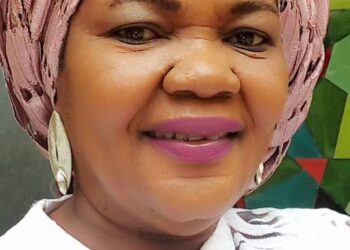
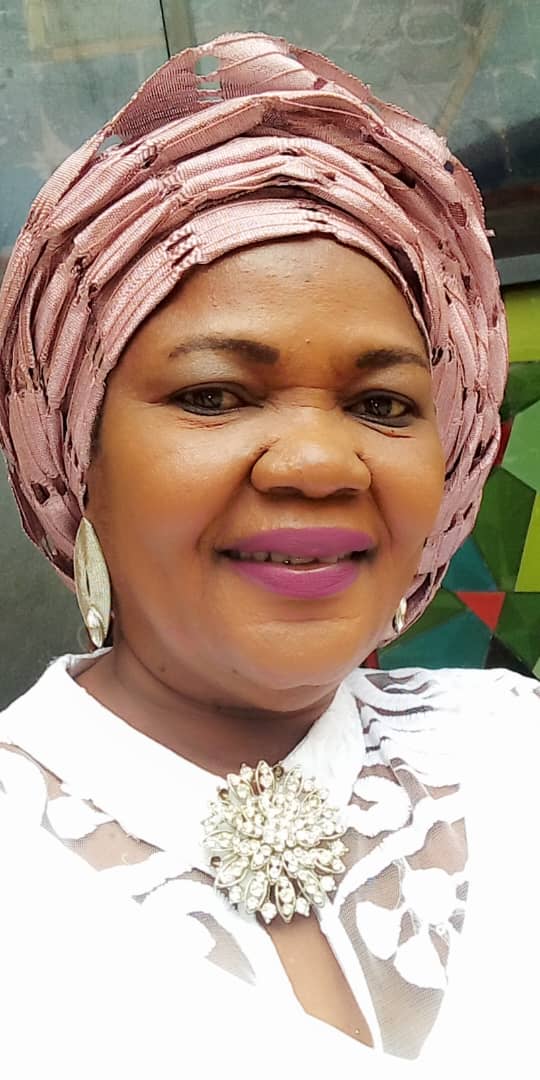
Acting director of FCT RUWASSA, Abigail Ekpenisi is an easy going and unassuming but frank to a fault. A professional to the core. She knows why she is there and has remained a reference on the job, making her a round peg in a round hole.
When she was saddled with this job of piloting the affairs of Federal Capital Territory FCT Rural Water Supply and Sanitation Agency RUWASSA mid last year, not many gave her a chance of success.
But now both admirers and foes alike have been pouring encomium on her for the silent but noticeable strides in FCT RUWASSA.
With about 1.8 million out of the 6 million residents of the Federal Capital Territory, FCT, still taking pleasure in using walkways, bushes and unconventional methods for defecating, she has set in motion means and ways to eradicate open defecation by 2027.
She is not happy with this number; hence plans and efforts are on to ensure the statistics reduce drastically or totally for those who defecate in the open because they derive pleasure in the cool breeze that open defecation gives to them.
Open defecation is still practiced in most parts of the rural communities and some areas in the urban centers.
She vowed that she is determined to end this bad attitude amongst the Abuja residents, in view of this, the Directorate has been going out to schools and markets and motor parks to enlighten residents on the need to keep their environment clean and devoid of dirtiness.
The mission of the agency, according to Abigail Ekpenisi, is to ensure sustainable provision and access to potable water, hygiene and sanitation facilities and services to rural and peri-urban communities in Abuja.
She recalled that FCT RUWASSA’s main source of water supply to the rural and peri-urban areas is groundwater. Access to improved water supply in rural areas in FCT is estimated at about 68% and access to improved sanitation at less than 30%.
The FCT RUWASSA
has stepped up efforts by visiting some rural communities.
“The Directorate is not just providing the water schemes, it also went into community mobilization and awareness programme to sensitize the communities because it’s one thing to provide the facilities, it is another thing to maintain the facilities, so every stakeholder in this programme is encouraged to buy into it.”
She is doing everything possible that where there is no pipe borne water, an acceptable alternative must be provided for every community in FCT.
According to her, when you have safe drinking water, you are putting away 95% of diseases away. You take care of your water; you take care of sanitation and hygiene. Hence this will ultimately result in better health conditions of the citizens, such that the money that would have been spent on health issues will now be diverted to other productive ventures.
FCT RUWASSA, under her watch, carried out a sensitization campaign in Ketti Community, Abuja Municipal Area Council (AMAC) recently.
The campaign was to promote improved Water Sanitation and Hygiene (WASH) activities with emphasis on sustaining an Open Defecation Free (ODF) status.
The District Head of Ketti, Chief Alex Akata appreciated FCT RUWASSA for bringing the sensitization exercise to the community.
He noted that the engagement would go a long way in educating residents on the importance of sanitation and hygiene.
During the interactive session, women in the community expressed concerns over the lack of basic *WASH* facilities.
They highlighted the urgent need for a functional borehole, an effective waste management system, and access to proper toilet facilities.
According to them, these challenges continue to affect their daily lives and the overall health of their families.
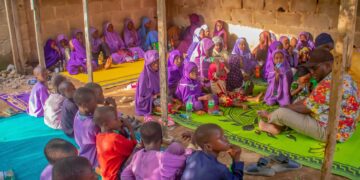
The sensitization exercise focused on raising awareness about proper hygiene practices, the importance of safe water usage, environmental cleanliness, and the need for collective efforts in sustaining ODF status in the community.
The agency also carried out a one day hygiene sensitization campaign at Wuse Market and Berger Park, that’s to educate traders, motorists, and passengers on the dangers of open defecation.
The Unit Head of Institutional Sanitation Unit of RUWASSA, Adeyanju called on traders and motorists to desist from open defecation, especially during the rainy season when the risk of disease and reptile infestation outbreaks is higher.
He emphasized that open defecation contributes to the spread of diseases such as cholera, typhoid fever, and other communicable diseases.
He also advised traders, particularly those dealing in meat and other perishable food items, to maintain a clean and hygienic environment at all times.
Handbills were distributed to traders, motorists, passengers, and other members of the public during the sensitization exercise.
The exercise concluded with an inspection of public toilet facilities at Wuse Market and Berger Park.
At this year’s World Water Day, however, which has the theme, “Water and Gender,” focused on the inclusion of women and girls in water leadership and decision-making.
It also highlighted the role of water as a tool to promote equality, dignity, and the achievement of United Nations Sustainable Development Goal 6.
The commemoration which was held in Kunyami Community, Gosa, Abuja, in collaboration with its partners.
the Acting Director of FCT RUWASSA, Abigail Ekpenisi, outlined the important role women and girls play in accessing safe water and sanitation in their communities.
She noted that the theme of this year’s celebration emphasizes the inclusion of women and girls in water-related issues, as they are often excluded from decision-making processes in water management.
According to her, unequal access to water and participation in its management limits their opportunities for education and economic advancement.
Ekpenisi, therefore called on community members, especially women, to adopt safe water practices aimed at protecting water from contamination for drinking, cooking, and personal hygiene.
She emphasized that this is essential for improving health and enhancing economic opportunities for individuals and the community at large.
In his address, the Chief of Kunyami Community, Silas Agwai, ably represented by the Sarkin Fada, Daniel Gani, appreciated RUWASSA and its partners for commemorating the day in the community. He appealed to other NGOs to support the community with additional boreholes, noting that one facility may not be sufficient for the growing population.
Partners that participated in the commemoration included Rotary International District 9127, WaterAid Nigeria, and Resource Conservation Development Initiative, among others.
Indeed, RUWASSA is making progress.
Abdul wrote in from Abuja via abduljelil2001@gmail.com