


















……Nigerians, Ghanaians Prime Targets
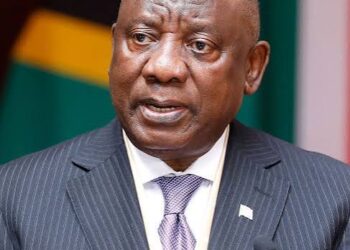
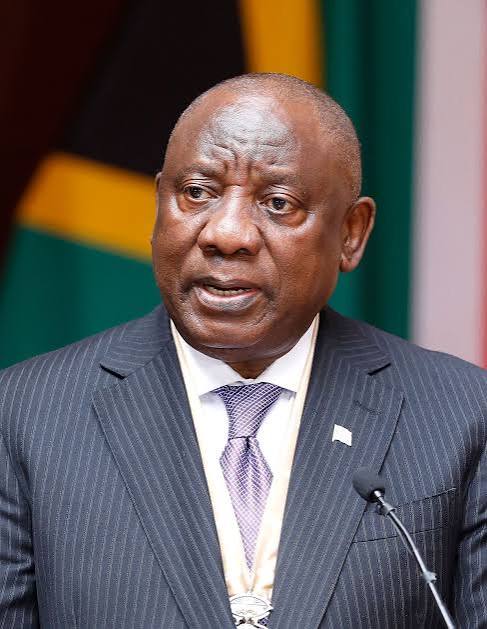
South African President, Cyril Ramaphosa, has delivered a forceful and carefully balanced message to the nation, warning that xenophobic violence against foreign nationals will not be tolerated under any circumstances, while also acknowledging the growing frustration among citizens over illegal migration and economic pressures.
Speaking during his keynote address at the 2026 Freedom Day celebration in Bloemfontein, Ramaphosa stressed that while concerns about undocumented migration are valid, they must never be allowed to devolve into hatred or violence against fellow Africans or any migrant community.
His tone was both cautionary and corrective, reflecting a government under pressure to respond decisively to unrest while preserving constitutional order.
“We should never allow the legitimate concerns of our communities about illegal migration to breed prejudice,” he said, emphasizing that public anxiety must not become a gateway to xenophobia.
He reiterated that South Africa’s identity and moral standing are rooted in principles of dignity, equality, and respect for all people, regardless of origin.
At the same time, Ramaphosa moved to reassure citizens that the government is not ignoring their concerns.
He outlined ongoing efforts to tighten border controls, enforce immigration laws more rigorously, and crack down on employers who exploit undocumented migrants.
He also acknowledged systemic weaknesses, including corruption within immigration structures, and pledged continued reforms to restore public confidence.
However, he drew a sharp and unequivocal distinction between lawful enforcement and vigilante action.
“We will not allow people to take the law into their own hands,” he declared, underscoring that only state institutions have the authority to enforce immigration laws.
Any acts of violence, intimidation, or unlawful retaliation against foreign nationals, he warned, would be met with firm legal consequences.
Addressing those who justify xenophobic attacks as a reaction to unemployment, crime, or strained public services, Ramaphosa rejected the argument outright.
He noted that while socio-economic challenges are real and deeply felt, they cannot serve as justification for targeting vulnerable groups.
South Africa has been drawn into another high-profile governance controversy after Preside…
South Africa Sends Seasoned Power Broker to Washington in Strategic Diplomatic Move
In a calculated step to strengthen its global influence, South Africa has appointed a high…
South Africa’s Arms Exports Soar to $590 Million, Cementing Its Role Among Global Defence Leaders
South Africa’s defence industry saw a surge in exports in the past year, with shipments of…
South Africa has launched a major military deployment to support overwhelmed police forces…
Instead, he called for social cohesion and responsible citizenship, urging South Africans to channel grievances through lawful and constructive means.
He also invoked the country’s liberation history, reminding citizens that South Africa’s freedom was achieved not in isolation but through the support of other African nations.
Countries across the continent, he said, provided refuge, resources, and diplomatic backing during the anti-apartheid struggle. That legacy, he argued, imposes a moral obligation on South Africa to uphold solidarity and avoid betraying the very principles that enabled its liberation.
“As a nation that benefited from international solidarity, we must not undermine the bonds that carried us to freedom,” Ramaphosa said, warning that xenophobia risks eroding South Africa’s moral authority and standing