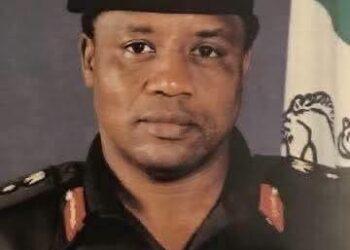






















Nigeria witnessed another change of government on August 27, 1985, when Major-General Ibrahim Badamasi Babangida and a group of military officers overthrew the administration of Major-General Muhammadu Buhari in a bloodless coup.
The coup was announced on national radio by Major-General Joshua Dogonyaro, who declared that Buhari and his second-in-command, Major-General Tunde Idiagbon, had been removed from office.
Babangida subsequently emerged as Nigeria’s new military Head of State, promising a new direction for the country, economic reforms, political change and an eventual return to civilian rule.
His eight-year administration became one of the most consequential and controversial periods in Nigeria’s political history.
Babangida introduced the Structural Adjustment Programme (SAP), implemented wide-ranging economic reforms and embarked on a political transition programme aimed at returning the country to democratic rule.
However, the transition was eventually overshadowed by the June 12, 1993 presidential election, widely regarded as one of Nigeria’s freest and fairest elections. The election was annulled by Babangida’s administration, triggering a major political crisis.
On August 26, 1993, Babangida stepped aside and handed power to an Interim National Government headed by Chief Ernest Shonekan.
Four decades after the events of August 27, 1985, Babangida’s years in power remain the subject of intense historical and political debate.
The coup that brought him to power, his economic policies, the prolonged transition programme and the annulment of the June 12 election all left enduring imprints on Nigeria’s political development.
August 27, 1985, therefore, remains a significant date in Nigeria’s history — the day one military government was overthrown and a new era began under General Ibrahim Babangida.