























By Our Correspondent
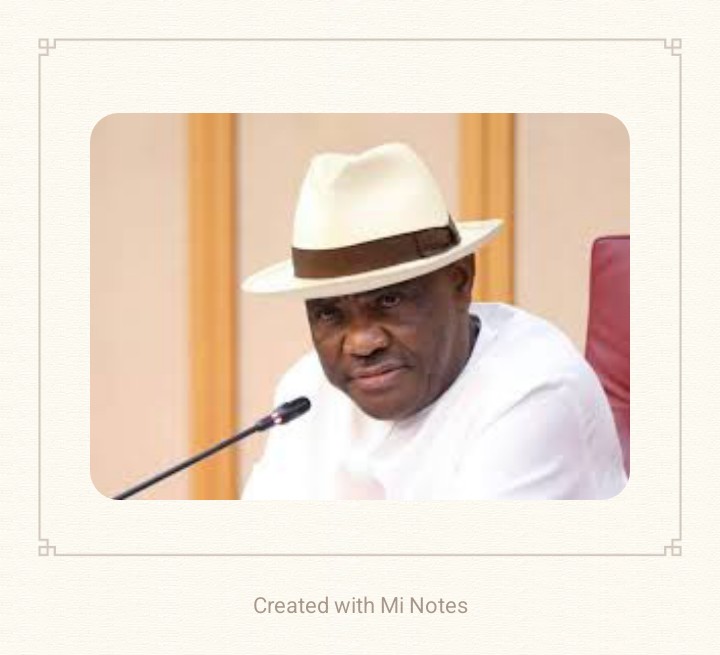
A fresh storm is brewing within the All Progressives Congress (APC) in the Federal Capital Territory (FCT) following a promise by FCT Minister, Nyesom Wike, to recommend a former Peoples Democratic Party (PDP) chairmanship candidate for a government appointment after he withdrew from the Bwari Area Council chairmanship race.
The development has reportedly unsettled some APC loyalists, who accuse the emerging political arrangement of sidelining the very party members who laboured to build the APC’s structures and mobilise support, while extending political recognition to figures from the opposition.
Wike reportedly made the promise to Julius Adamu, a former PDP chairmanship candidate in Bwari, after he stepped down from the contest in support of the incumbent chairman, Joshua Ishaku.
At a weekend meeting with political stakeholders, traditional rulers and supporters of the APC-PDP Rainbow Coalition in Bwari, the FCT Minister praised Adamu for sacrificing his personal ambition in the interest of the coalition.
He subsequently promised to write to President Bola Tinubu, recommending Adamu for an appointment with the FCT Universal Basic Education Board (FCT-UBEB).
The announcement, however, has raised a troubling question among some APC stakeholders: What becomes of the party’s founding members and longstanding loyalists who stood by the APC, contested elections and worked to sustain its structures?
APC LOYALISTS: ‘MONKEY WORKED, BABOON CHOPPED’
For some aggrieved APC members, the development is another source of frustration in what they perceive as an increasingly lopsided distribution of political rewards within the FCT.
Their complaint is that while APC loyalists who fought for the party and suffered electoral setbacks are allegedly being overlooked, a former PDP candidate is being promised a possible government appointment for stepping aside in favour of a coalition-backed candidate.
“This is a classic case of the monkey working while the baboon eats,” a party source said, capturing the anger reportedly brewing among some grassroots members.
The aggrieved stakeholders are said to fear that continued neglect could weaken party morale, deepen internal divisions and erode the commitment of members who have invested years in building the APC in the Territory.
They argue that political coalitions should not become instruments for rewarding new allies at the expense of longstanding party members whose loyalty and contributions helped sustain the APC.
WHO IS REWARDING THE PEOPLE WHO BUILT THE APC?
The controversy has placed the question of political loyalty and reward at the centre of the debate over Wike’s Rainbow Coalition.
Some APC chieftains insist that while cooperation across party lines may serve broader political objectives, it should not translate into the marginalisation of members who have consistently worked for the party.
They are calling on the FCT leadership and relevant authorities to give APC members who contested the last Area Council elections, supported the party and strengthened its grassroots structures fair consideration for appointments and other opportunities.
According to them, a political arrangement that leaves original party members feeling abandoned could undermine the very unity it seeks to promote.
Their concern is not necessarily about Adamu’s personal ambition or qualifications, but about what they see as a troubling signal regarding the recognition of party service.
WIKE’S RAINBOW COALITION UNDER SCRUTINY
The Rainbow Coalition brings together political actors and supporters from the APC and PDP in support of President Tinubu ahead of the 2027 presidential election.
Wike has consistently advocated political cooperation across party lines, arguing that shared interests can take precedence over party differences.
In Bwari, Adamu’s reported withdrawal from the chairmanship race appears to have provided an opportunity to demonstrate that strategy in practice.
But the proposed appointment has also exposed the delicate balance between accommodating coalition partners and maintaining the confidence of the APC’s established membership.
For critics within the party, the emerging concern is whether political accommodation is being matched by adequate recognition of those who built and sustained the party before the coalition arrangement.
A PROMISE, NOT AN APPOINTMENT
Despite the controversy, it is important to clarify that Wike’s reported announcement was a promise to recommend Adamu to President Tinubu for an FCT-UBEB appointment. There is no confirmation that the President has approved the recommendation or that the appointment has been formally granted.
Nevertheless, the development has reignited calls among some APC stakeholders for a more transparent and inclusive approach to political appointments in the FCT.
As the 2027 elections approach, the party faces the challenge of balancing coalition-building with the expectations of its existing members.
For the aggrieved loyalists, the message is simple: if the APC expects its members to keep working for the party, it must also demonstrate that their sacrifices count.
Otherwise, the Rainbow Coalition may find that while it is busy accommodating new political partners, those who built its strongest structures are left wondering where they belong.