
















– The Nasir El-Rufai Story

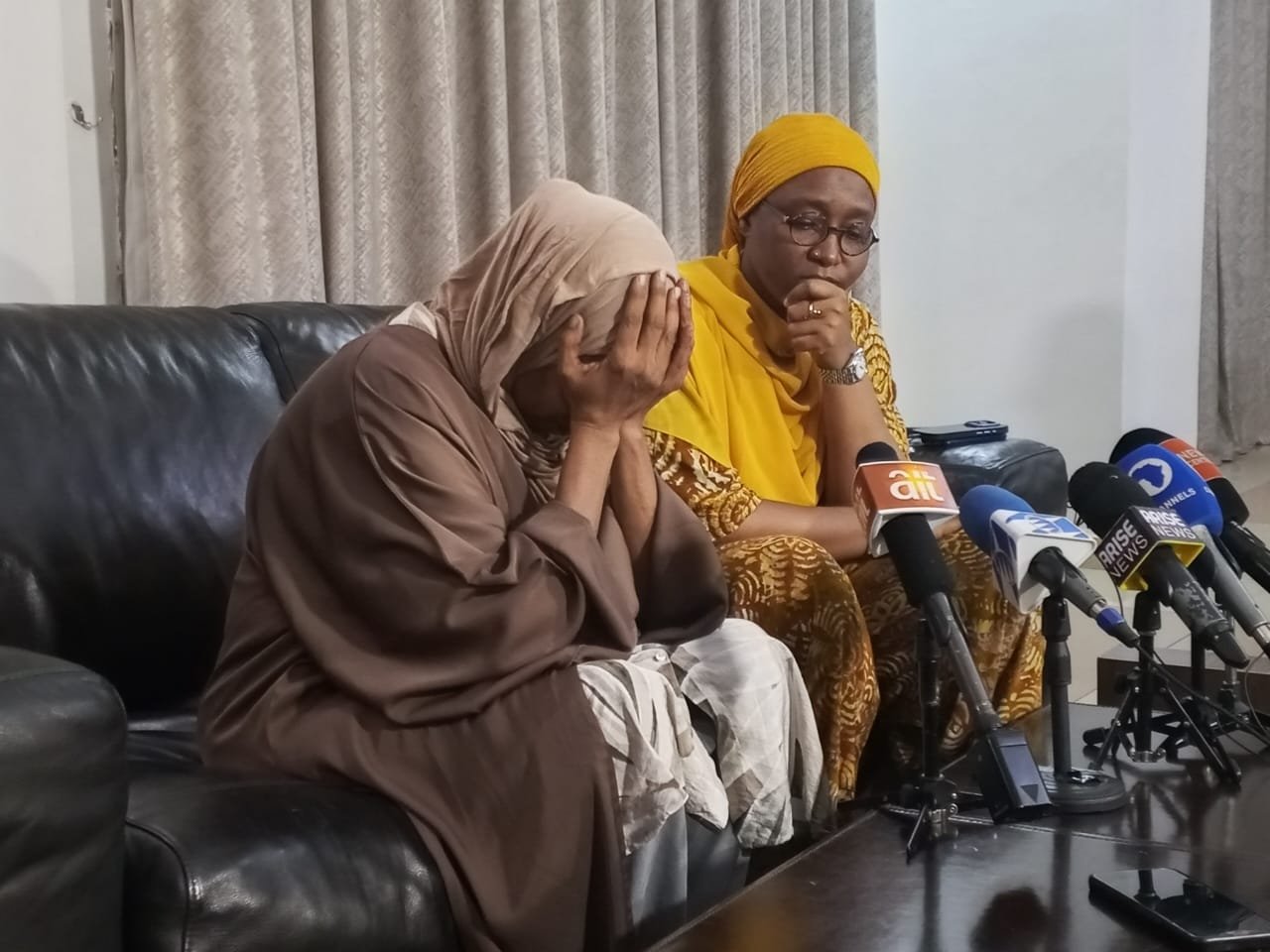
“I campaigned for you, Mr President. My husband stood by your side. Is this what our family deserves?”
Hajiya Asiya El-Rufai’s voice trembled as she spoke.
The nation listened. And watched.
She had given everything. Her time. Her influence. Her husband’s political machine.
She campaigned tirelessly. Her husband stood in the trenches.
And when victory came, they found themselves outside the gate. Watching others feast.
Her question cut deep. It was not just personal. It was profoundly human.
No amount of political capital buys loyalty. No history of service guarantees reciprocity.
Amaechi Nzekwe understood this truth.
His novel, ‘The Rich Also Cry,’ captured it perfectly.
Wealth offers no immunity from sorrow. Power cannot shield you from heartbreak.
The protagonist’s tears flow not because he is poor. He weeps because he is human.
And humanity knows no class distinction when it comes to pain.
Hajiya Asiya’s plea echoes this same truth. Even those who have everything can find themselves weeping. Weeping in the shadows of their own miscalculations.
But beneath her family’s tears lies a deeper story.
A story of power wielded without mercy.
A story of arrogance without restraint.
And a beast called karma. A beast that always comes.
Always.
Nasir El-Rufai governed Kaduna with an iron fist. He left a trail of casualties.
His urban renewal policies displaced thousands. Critics called it ruthless.
Inadequate compensation.
Insufficient consultation.
Development was the excuse. Human cost was the reality.
That bitterness still flows. It flows back to haunt him.
He alienated traditional institutions.
He attacked religious leaders.
He treated governance as a zero-sum game.
He built enemies instead of bridges. A fatal error in Nigeria’s political jungle.
June 2017. El-Rufai woke up and made a decision. A decision that would echo forever.
With one stroke of his pen, he sacked 22,000 school teachers.
Twenty-two thousand families. Jobless overnight.
Children pulled from schools. Households plunged into uncertainty. Livelihoods erased without warning.
But he didn’t stop there.
He sacked 300 District Heads and Traditional Rulers in Southern Kaduna.
He balkanized their Chiefdoms.
He, as a Fulani, imposed an Emirate structure they hated much.
These were not administrative changes.
They were cultural violations.
Attacks on centuries-old institutions.
He humiliated them. Stripped their dignity. Dismissed their authority.
He treated them as nothing.
Yet fate has a sense of humor. And a memory.
El-Rufai found himself in detention.
140+ days. Still counting. Behind bars.
One condition for his bail?
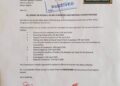
A certificate from those very Chiefs.
Government na ya mate? Oya, sign the certificate.
The irony is almost too perfect.
The men he humiliated.
The rulers he dismissed.
They now held the keys to his freedom.
And none of them – not one – was willing to sign.
In life, there is something called 5Alive.
Actions return to their source.
What you sow, you reap.
The man who destroyed 22,000 livelihoods.
The man who trampled on traditional institutions.
He now found himself at their mercy.
Karma does not forget.
Karma does not rush.
But karma always arrives.
Karma, na your mate? Sorry case.
El-Rufai’s predicament did not appear from nowhere.
He built it. Brick by brick. Error by error.
His greatest blunder?
Boasting on national television about infiltrating the NSA’s phone communications.
He tapped into sensitive security conversations.
He admitted it. Openly. Proudly.
He handed his adversaries legal ammunition. On a silver platter.
Political disagreements became national security breaches. The stakes shifted forever.
The beast called karma sharpened its claws.
Contrast this with President Tinubu.
Tinubu faced humiliation under Buhari.
His own party marginalized him.
His allies abandoned him.
But he never openly got angry.
He never gave them a reason to move against him.
He absorbed provocation. He maintained equilibrium. He played the long game.
That discipline is the dividing line.
Political survival versus political annihilation.
El-Rufai did the opposite.
He visited Lagos. He boasted about teaching Lagosians how to defeat a godfather. He threw caution to the wind.
He declared hostilities openly. Wiser men pursued their battles in shadows.
He joined Tinubu’s camp at the last minute. Only when Buhari abandoned the consensus plan.
Opportunism dressed as loyalty. Smart leaders never forget.
Then he carried himself as the heir apparent to the Buhari legacy. He projected entitlement. He displayed ambition.
Openly. Brazenly. Dangerously.
He invited preemptive destruction.
In political warfare, open ambition is a vulnerability. Not a strength.
Tinubu understands this. He plays long-term games.
He once told governors:
“All you’ve built will be a waste if you don’t decide who succeeds you.”
He knows succession planning is the ultimate test of mastery.
Allowing El-Rufai into his cabinet would have been strategic suicide.
El-Rufai could have manipulated the government for his own advantage.
He could have turned the Federal Executive Council into a battlefield.
He could have performed brilliantly, then resigned to challenge Tinubu at the primaries.
Just like Atiku did to Ọbasanjọ. Just like Atiku did to Jonathan.
Every smart leader surrounds himself with loyalists.
Only a fool empowers his opponent.
Tinubu was no fool.
He denied El-Rufai a cabinet position. He offered him the courtesy of nominating a candidate instead.
El-Rufai could have salvaged something. An ambassadorial post. A dignified exit.
But he chose war. He lambasted the administration. He revealed state secrets.
He exposed himself to prosecution.
His enemies now have legal rights to pursue him. Only mercy can set him free.
But mercy does not come to those who have shown none.
What separates those who rise from those who fall?
Is it intelligence?
Connections?
Strategy?
If intelligence guaranteed survival, why have so many brilliant minds been consumed?
The answer lies in emotional intelligence.
The ability to control anger.
Moderate ambition.
Maintain discipline.
Even when every instinct screams for retaliation.
Tinubu embodies this.
His success comes from strategic patience.
From delayed gratification.
El-Rufai, for all his brilliance, is careless with his emotions.
Public outbursts. Open ambitions. Reckless revelations.
It is not enough to rise to the summit. You must have the patience and discipline to stay there.
The beast called karma feeds on arrogance. El-Rufai served himself up.
El-Rufai’s story is a cautionary tale.
Never humiliate those who hold power over your future. Regardless of how justified you feel.
Loyalty in politics is transactional. No amount of past service guarantees future reward.
Conceal your ambitions until the moment of fruition. Open declarations invite preemptive attacks.
Most critically, treat every human being with dignity. Regardless of their station.
The 22,000 teachers were not statistics.
The 300 traditional rulers were not obstacles.
They were people. Families. Histories. Memories.
And memories are long. Very long.
The Chiefs El-Rufai insulted now hold his freedom in their hands.
They remember every slight.
Every humiliation.
Every moment of arrogance.
Power is fragile.
Consequences are permanent.
From the 22,000 families he rendered jobless to the 300 Chiefs he humiliated, El-Rufai accumulated debts.
Now those debts are being called in.
His detention.
His public appeals.
His desperate search for signatures.
All point to one truth:
Karma does not forget.
Karma does not negotiate.
It is a beast that feasts on the pride of men who believe themselves untouchable.
Those who cannot control their anger, greed, and ambition will weep.
Not because they are poor. But because they are human.
And humanity knows no class distinction when it comes to sorrow.
The rich also cry.
And sometimes, they cry the loudest.
When karma comes calling, it does not ask for your résumé. It does not check your bank account.
It simply collects what is owed.
For Nasir El-Rufai, the bill has finally arrived.
©️TayọLawaL
manteedetlaw@gmail.com