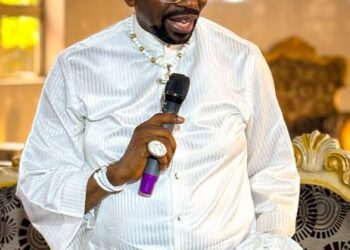

















The Christian Social Movement of Nigeria (CSMN) has backed former President of the Christian Association of Nigeria (CAN), Ayo Oritsejafor, amid controversy over his recent remarks on insecurity, while accusing extremist elements within the Muslim community of contributing to Nigeria’s security crisis.

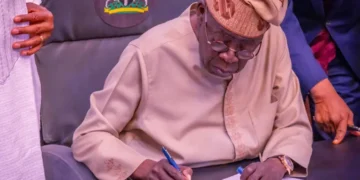
The group also urged President Bola Ahmed Tinubu to caution what it described as his “Muslim compatriots” against actions capable of inflaming religious tensions.
In a statement signed by its Executive Secretary and Chief Executive Officer, Bosun Emmanuel, the CSMN criticised the Nigerian Supreme Council for Islamic Affairs over its response to Oritsejafor’s comments, describing the council’s position as provocative and insensitive.
The Christian body said the NSCIA should have acknowledged the devastation caused by terrorist groups operating in Nigeria instead of accusing the former CAN President of profiling Muslims.
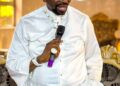
According to the CSMN, Oritsejafor’s comments during a television interview were misrepresented by the Islamic body.
It argued that the cleric was referring to those responsible for the country’s insecurity rather than branding Muslims as criminals.
The organisation maintained that Nigerian Christians stand firmly behind Oritsejafor, whom it described as a respected leader of the Christian faith, and cautioned the NSCIA against what it called attempts to distort his remarks.
The CSMN further alleged that extremist elements within the Muslim community had played a major role in destabilising Nigeria since the outbreak of insurgency in 2009.
It also called on the Sultan of Sokoto, Sa’ad Abubakar, to use his influence to condemn violence allegedly perpetrated by criminals claiming to act in the name of Islam.
The group also faulted the NSCIA’s reference to a suspect linked to the kidnapping of schoolchildren in Oriire Local Government Area, arguing that the incident should not be used to portray Christians as perpetrators of terrorism.
The CSMN further accused the Islamic council of deliberately twisting narratives to inflame public sentiment and insisted that religious leaders must speak truthfully and responsibly to promote national peace and unity.
The exchange follows a recent war of words between Oritsejafor and the NSCIA over comments relating to the religious identity of those involved in Nigeria’s persistent insecurity.